Helping Optical Industry Visualise an AI-Enabled Ecosystem

Helping Optical Industry Visualise an AI-Enabled Ecosystem Nov 18th |…
Felix PhaseOctober 5, 2026







Screen time has become a major part of modern lifestyles. From remote work and virtual meetings to online shopping and digital entertainment, youngsters and kids today spend long hours in front of screens every day. An increase in online activities such as working, gaming and shopping is commonly seen.
This shift is not only changing consumer habits but also transforming the way digital eyecare services operate. As exposure to screens continues to rise, healthcare providers are seeing an increase in eye-related concerns, seen on a large scale, especially in kids.
For digital eyecare service providers, this shift brings both opportunities and operational challenges. Traditional healthcare systems are no longer enough to handle the growing demand for digital-first patient experiences. Many providers still struggle with delayed consultations, limited patient engagement, and inefficient service workflows.
With increasing screen exposure, digital eyecare businesses are handling more patient requests and larger amounts of healthcare data.
Without connected systems, managing this data becomes slow and inefficient, leading to delays and operational bottlenecks.
The growing demand for virtual consultations is also putting pressure on healthcare systems. Slow response times, scheduling issues, and inconsistent follow-ups can negatively impact both patient satisfaction and business efficiency.
Patients want seamless communication, flexible consultation options, and quicker support experiences across digital platforms.
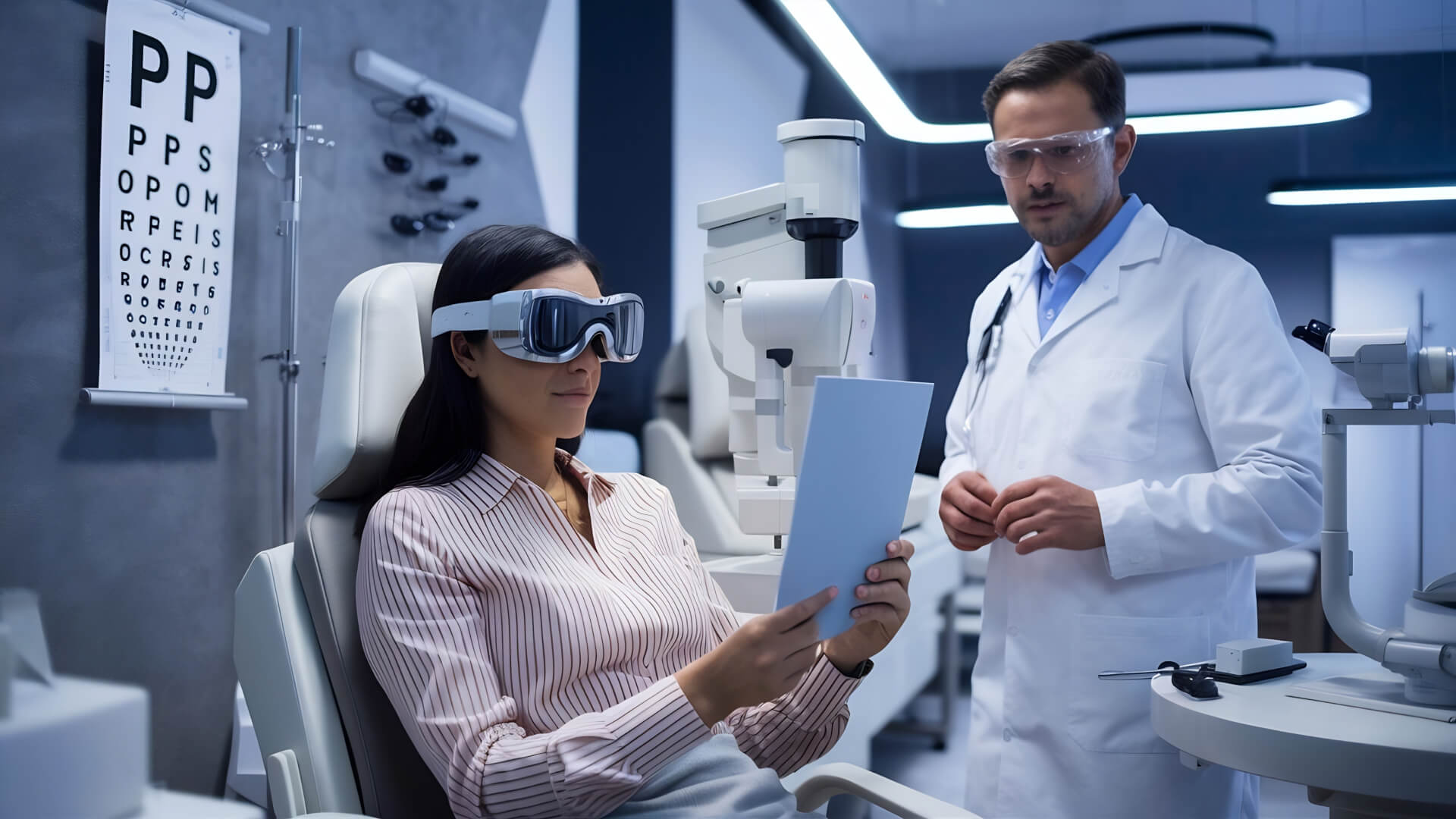
To meet changing industry demands, digital eyecare providers are adopting technology-driven solutions that improve operational efficiency and patient experiences. AI-powered diagnostic systems are helping healthcare professionals improve screening accuracy, reduce manual workloads, and identify vision-related concerns faster.
Virtual consultation platforms are also becoming an essential part of modern eyecare services. These solutions help providers reduce waiting times, improve accessibility, and manage growing consultation demand more efficiently. By enabling remote care services, businesses can also expand their reach across wider regions without increasing operational complexity.
Automation is another key factor reshaping the industry. Automated appointment scheduling, patient reminders, follow-up systems, and digital records management are helping businesses streamline workflows while reducing administrative pressure.
Healthcare systems are becoming increasingly important in digital eye care services. Connected platforms allow providers to centralize patient information, improve communication across departments, and manage healthcare workflows more effectively. This creates smoother operations and supports faster decision-making processes.
The industry is also becoming more data-driven. Providers are now using analytics and digital insights to understand patient behavior, improve service delivery, and optimize operational performance. These insights help businesses create more personalized healthcare experiences for patients.
The future of digital eyecare services will depend heavily on scalability, automation and digital systems. As high screen-time lifestyles continue to grow, healthcare industries will need smarter systems to manage growing patient demand and improve service experiences.
At TechnovateOne, we understand how digital transformation is reshaping modern healthcare services.We focus on helping businesses build scalable technology solutions that improve operational efficiency and support better patient experiences.
As the industry continues to evolve, we believe connected digital ecosystems will become the foundation of modern eyecare services, we focus on helping businesses build smarter digital ecosystems that are ready for the future of healthcare delivery.